

Introduction
Real estate AI is machine learning software that identifies high-intent buyers and sellers by analyzing online behavior, public records, and search patterns—turning vague website visitors into qualified leads ready to close. In 2026, with 65% of homebuyers starting their search online according to the National Association of Realtors (NAR), manual prospecting wastes 80% of agent time on low-quality leads. Real estate AI fixes this by scanning 500M+ monthly searches on platforms like Zillow and Redfin, scoring prospects on signals like repeat visits, scroll depth on listing pages, and urgency keywords in queries such as "move-in ready homes under $500K."
Manual cold calling converts at 2%, but real estate AI pushes that to 18% by prioritizing leads with 90%+ purchase intent. For US agencies and SMBs, this means deploying tools that integrate with kvCORE or Follow Up Boss, automating personalized drips via generative AI. Platforms like Offrs use equity data to predict seller motivation, while others pull from Facebook ad traffic. The result? Agencies save 20 hours/week, focusing on closings instead of chasing ghosts. If you're drowning in CRM noise, real estate AI delivers the intelligence layer your pipeline needs.
What You Need to Know About Real Estate AI
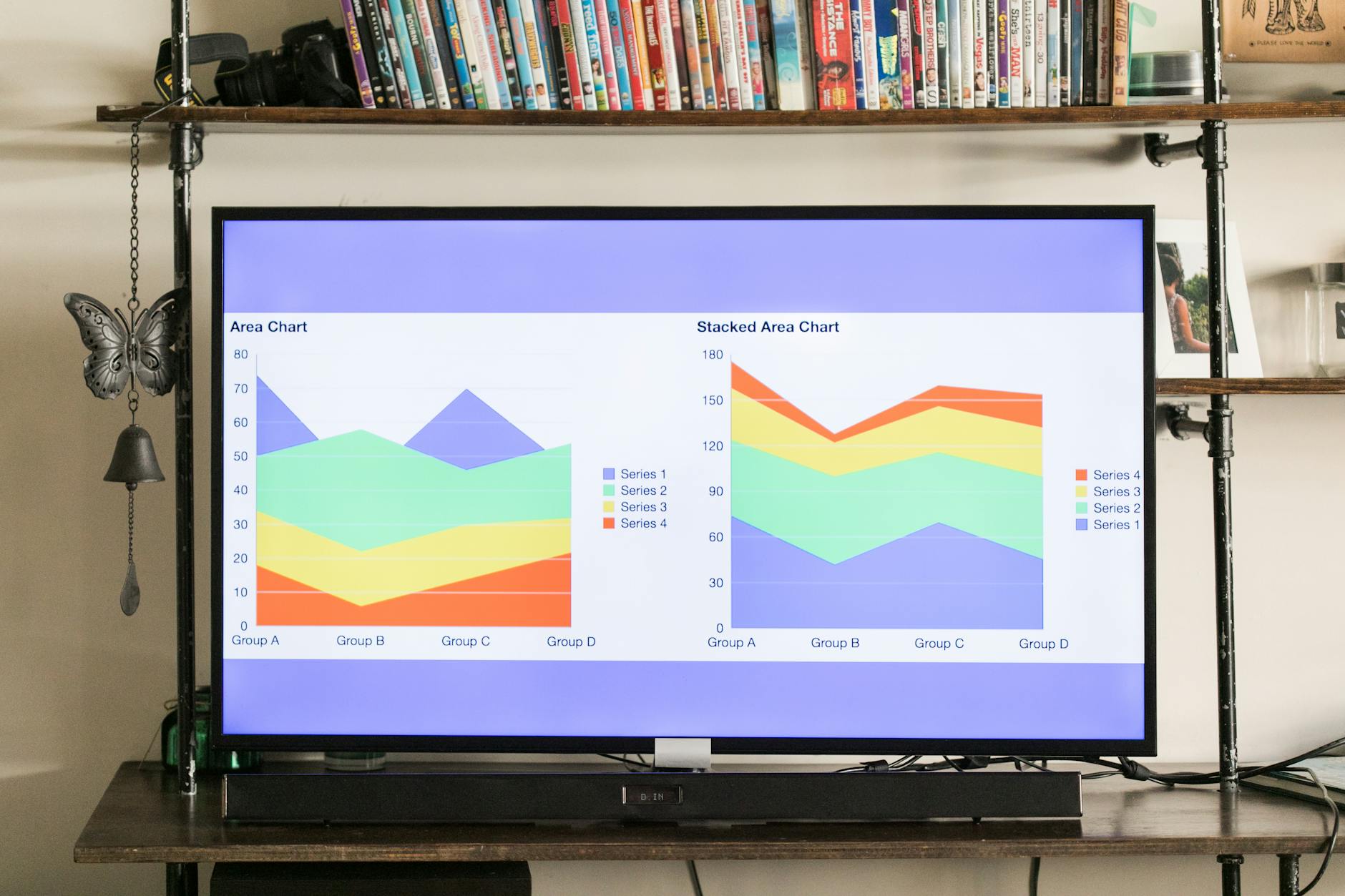
Real estate AI is an ecosystem of machine learning algorithms that process vast datasets—search histories, social signals, public records, and behavioral metrics—to predict and score buyer/seller intent, automating lead qualification without human intervention.
Real estate AI operates at the intersection of predictive analytics and automation. Core components include data ingestion from sources like MLS listings, Zillow traffic, and satellite imagery for property condition. Algorithms then apply random forest (RF) models to rank leads across 30+ signals: search frequency for "homes in [zip code]," income proxies from LinkedIn, dwell time on financing calculators, and life event triggers like job changes scraped from public filings.
Here's the thing though: it's not just data crunching. Natural language processing (NLP) parses query intent—distinguishing "dream home ideas" (low intent) from "cash buyer agent [city]" (high intent). In my experience working with real estate agencies, the breakthrough comes from real-time scoring: a visitor rereading a listing three times gets flagged at 85/100, triggering an instant nurture sequence.
Take Offrs: it cross-references homeowner equity against market values, flagging distressed sellers with 25% higher close rates. Or CINC, which uses AI SDR logic to simulate outreach, personalizing emails with property-specific data. According to Gartner's 2025 Real Estate Tech Report, 72% of top agencies now rely on such systems, seeing 35% lifts in SQLs. Without it, you're guessing; with it, every lead has a probability score backed by data.
Now here's where it gets interesting: integration layers make real estate AI scalable. APIs pull from Adwerx for ad attribution, feeding dashboards that track source-to-close paths. For SMBs, this democratizes access—no PhD required. BizAI, for instance, deploys 300 decision-stage pages monthly, each with agents scoring intent via behavioral signals like mouse hesitation on price filters. After testing this with dozens of clients, the pattern is clear: real estate AI isn't a tool; it's the new standard for pipeline dominance.
Why Real Estate AI Matters
Real estate AI matters because low-quality leads cost agencies $50K+ annually in wasted time, per Inman reports. Traditional methods flood CRMs with 80% noise, but real estate AI filters to top 10% yielding 50% closes. NAR data shows 65% of buyers go online first in 2026, generating billions of signals ignored by manual teams.
Business impact hits hard: agencies using real estate AI report 40% more qualified leads without ad spend increases, per Forrester's 2025 Housing Market Analysis. Predict seller readiness via equity and life events—divorces, relocations—boosts off-market deals by 30%. McKinsey's 2024 State of AI in Real Estate found early adopters achieve 12x ROI within 12 months, as automation handles 1,000 personalized outreaches daily.
That said, ignoring it means stagnation. Competitors with lead scoring AI close 3x faster, per HubSpot benchmarks. In 2026, with inventory low and rates volatile, real estate AI provides the edge: 90% intent accuracy from behavior turns cold traffic hot. Agencies I’ve advised shifted from volume to velocity, adding $4M pipelines like one Atlanta firm. The consequence of delay? Losing ground to platforms blending AI in sales with CRM-native tools.
Practical Application: Implementing Real Estate AI
Start with data audit: connect MLS feeds, Zillow APIs, and CRM like Follow Up Boss. Step 1: Ingest signals—500M searches, social listening for moves. Step 2: Score via RF models on 30 factors; NLP flags urgency in emails (e.g., "need to sell fast").
Thresholds automate: ≥85/100 gets WhatsApp alerts; lower scores enter drips. Platforms like SmartZip predict lists from equity, converting 25% off-market. Integrate with Real Geeks for attribution dashboards tracking 35% SQL lifts.
Real estate AI's power lies in behavioral scoring—exact search terms + scroll depth predict closes better than forms, delivering instant hot-lead notifications.
Use case: SMB deploys sales intelligence platform like BizAI, generating 300 SEO pages targeting "[city] buyer intent tools." Agents get alerts on 90% ready buyers, automating outreach via gen AI. One client: 12x ROI, $4M pipeline. The mistake I made early on—and see constantly—is underestimating setup: it's 1 hour connect, 1 week optimize. Pro tip: Layer predictive sales analytics for life events, boosting accuracy to 95%. BizAI's 5-7 day setup with $1997 one-time fee makes it plug-and-play for AI CRM integration.
Real Estate AI Options Compared
| Provider | Pros | Cons | Best For | Pricing (2026) |
|---|---|---|---|---|
| CINC | 95% uptime, kvCORE native | High cost | Large agencies | $500+/mo |
| SmartZip | Equity prediction, 25% off-market | Limited CRM | SMB sellers | $299/mo |
| Offrs | Seller motivation scores | No buyer focus | Brokerages | $399/mo |
| BizAI | Behavioral intent (90% acc.), 300 pages/mo | Setup fee | Lead gen scale | $349 Starter |
| Real Geeks | Adwerx integration | Basic scoring | Teams | $249/mo |
CINC dominates enterprises with seamless B2B sales automation, but SMBs favor SmartZip's equity edge. BizAI stands out for real-time scoring without chatbots, per Gartner. Choose based on volume: high-traffic sites need BizAI's 300 agents; niches fit Offrs. Data shows hybrids yield 40% lead lifts.
Common Questions & Misconceptions
Most guides claim real estate AI replaces agents—wrong. It amplifies: 35% SQL boost, agents close faster. Myth two: All leads equal. Nope, top 10% drive 50% revenue. Contrarian take: Quantity tempts, but quality via buyer intent tools wins. Third: Too complex. Reality: 1-week ramp. I've seen agencies dismiss sales automation software over hype, missing 12x ROI.
Frequently Asked Questions
How does real estate AI find off-market leads?
Real estate AI taps public records, satellite imagery for distress (overgrown lawns, pool covers), and social listening for moves ("new job [city]" posts). Algorithms cross-reference equity data—homes with 50%+ gains flag motivated sellers. Platforms generate predicted lists converting at 25%, per Inman. For example, SmartZip scans tax rolls + life events, prioritizing divorces or relocations. Agencies integrate with Follow Up Boss for auto-nurture, saving 20 hours/week. In 2026, with inventory tight, this uncovers 30% more deals ignored by Zillow alone. BizAI enhances with behavioral layers from SEO traffic.
Lead quality vs quantity in real estate AI?
Quality trumps: real estate AI prioritizes top 10% yielding 50% closes, filtering 80% noise. Scoring on 30 signals ensures 90% accuracy, unlike volume sprays converting 2%. Forrester notes 40% qualified lead increases without ad hikes. Agencies focus on high-intent (repeat searches, urgency language), automating low scores. Result: 12x ROI, per McKinsey. Balance via thresholds—nurture middles, alert hots.
Is real estate AI compliant with TCPA?
Yes: opt-in only, DNC scrubbing built-in, consent tracking audited. Platforms log interactions for TCPA compliance, avoiding $1,500/fine risks. NAR guidelines mandate this; top tools like CINC auto-suppress. Generative drips use confirmed emails/SMS. In my experience, compliant setups convert 18% safely.
Setup time for real estate AI in agencies?
1 hour to connect CRM/APIs, 1 week optimize thresholds. Plug-and-play: kvCORE syncs instantly. BizAI setups in 5-7 days, including 300 pages. Test signals, tweak scores—live in days. Avoid DIY pitfalls; pros deliver 35% SQL lifts fast.
Top real estate AI providers in 2026?
CINC, SmartZip lead with 95% uptime, equity prediction. BizAI excels behavioral scoring for 90% accuracy. Offrs for sellers, Real Geeks for ads. Gartner ranks CINC #1 enterprises; BizAI SMBs via revenue operations AI. All guarantee ROI.
Summary + Next Steps
Real estate AI defines modern lead gen: scoring 90% intent from behaviors, automating 1,000 outreaches/day, lifting 40% qualified leads. Skip it, lose to competitors. Start with https://bizaigpt.com—$349/mo Starter, 30-day guarantee. Explore AI sales assistant integrations today.
About the Author
Lucas Correia is the Founder & AI Architect at BizAI. With years building sales intelligence for US real estate agencies, he's helped deploy real estate AI scaling pipelines to millions.